Early Childhood Education: 7 Powerful Benefits for Young Learners | Sri Little Angels School
November 27, 2026
Why Early Childhood Education Matters: Building a Strong Foundation for Lifelong Learning
Early childhood is one of the most important stages in a child’s life. During these early years, children begin to explore the world around them, develop communication skills, build relationships and discover their individual interests. The experiences they receive during this stage play an important role in shaping their future learning and development.
Early childhood education provides children with a supportive environment where they can learn through play, exploration, creativity and meaningful activities. It helps develop essential skills that prepare children for primary education and lifelong learning.
At Sri Little Angels School, Manikonda, we believe that every child is unique and deserves an encouraging learning environment that supports their curiosity, confidence and overall development.
1. Builds a Strong Foundation for Learning
Early childhood education introduces children to basic concepts such as numbers, letters, colours, shapes and language. These activities help children develop early literacy and numeracy skills.
Rather than simply memorising information, children learn by observing, asking questions, exploring and participating in classroom activities.
A strong foundation during the early years makes the transition to primary education smoother and helps children approach new learning experiences with confidence.
2. Develops Social and Communication Skills
Children learn important social skills when they interact with teachers and classmates. Group activities, storytelling, games and classroom discussions encourage children to communicate their thoughts and listen to others.
These experiences help children learn how to:
- Share toys and learning materials.
- Take turns and cooperate with classmates.
- Express their feelings and ideas.
- Respect different opinions.
- Build friendships and positive relationships.
Developing these skills early helps children become more comfortable in social situations.
3. Encourages Creativity and Imagination
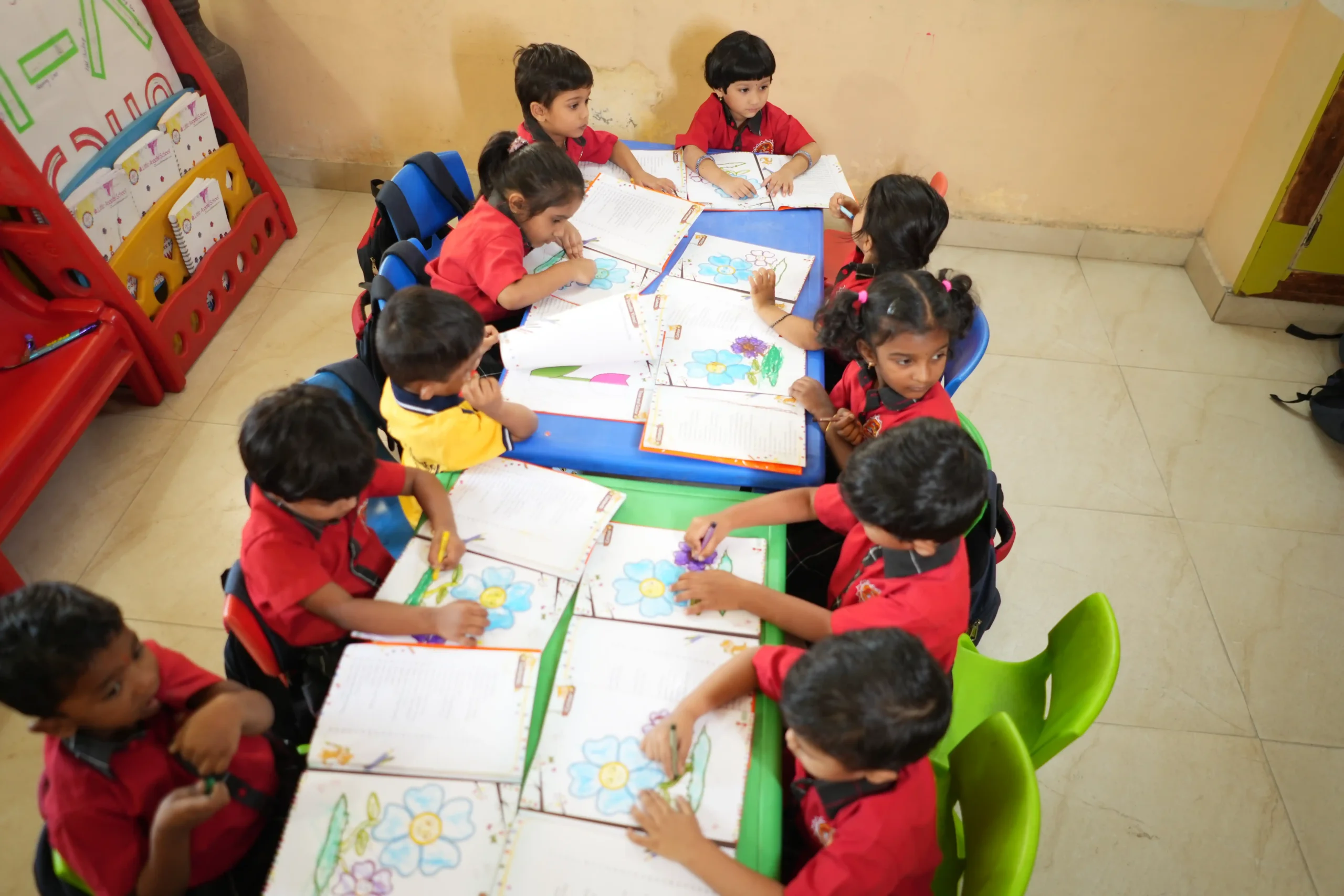
Creativity is an important part of childhood development. Drawing, painting, music, storytelling, role-play and building activities give children opportunities to express themselves.
Creative activities also encourage children to think independently, explore different possibilities and develop problem-solving skills.
When children are encouraged to experiment and try new ideas without fear of making mistakes, they become more confident learners.
4. Supports Emotional Development and Confidence
Early childhood education helps children understand and manage their emotions. A caring and supportive classroom environment allows children to express themselves and gradually develop emotional independence.
With guidance from teachers, children learn to handle small challenges, develop patience, build confidence and become more independent.
Positive encouragement also helps children develop a healthy attitude towards learning and new experiences.
5. Promotes Learning Through Play and Activities
Play is not just entertainment; it is an important way for young children to learn.
Educational games, puzzles, building blocks, outdoor activities and hands-on experiences help children understand concepts naturally.
Learning through play supports:
- Problem-solving and critical thinking.
- Fine and gross motor skills.
- Observation and exploration.
- Language development.
- Cooperation and teamwork.
A balanced combination of structured learning and play-based activities makes early education engaging and meaningful.
6. Develops Independence and Everyday Life Skills
Early education also teaches children simple everyday skills that help them become more independent.
Activities such as organising their belongings, keeping their classroom materials in place, following routines and completing small tasks encourage responsibility.
Children gradually learn to make simple decisions, take care of themselves and participate confidently in daily activities.
These habits support their personal growth both inside and outside the classroom.
7. Creates a Smooth Transition to Primary Education
Moving from home or preschool into primary school is an important milestone. Early childhood education helps children become familiar with classroom routines, instructions, group learning and structured activities.
Children who experience a positive early learning environment may find it easier to adjust to new teachers, classmates and academic expectations.
This preparation helps them approach the next stage of education with greater confidence and readiness.
The Role of Parents and Teachers in Early Learning
Parents and teachers play an equally important role in a child’s early development.
Parents can support learning at home by reading stories, encouraging conversations, playing educational games and appreciating their child’s efforts.
Teachers create opportunities for exploration, guide classroom activities and identify each child’s individual interests and learning needs.
When parents and teachers work together, children receive consistent encouragement and support throughout their development.
Early Childhood Learning at Sri Little Angels School, Manikonda
At Sri Little Angels School, Manikonda, we believe that meaningful education begins with understanding every child’s individual potential.
Our
Cambridge-aligned learning approach encourages curiosity, creativity, communication and active participation. Through age-appropriate classroom activities and supportive teaching, we aim to provide children with a positive environment for learning and growth.
Our focus is on helping young learners develop essential academic foundations, social skills, confidence and a love for learning.
Conclusion
Early childhood education is much more than preparation for school. It is the foundation for a child’s intellectual, social, emotional and creative development.
The right learning environment helps children become curious, confident, independent and enthusiastic learners. By providing meaningful experiences during the early years, parents and educators can help children build skills that support them throughout life.
At
Sri Little Angels School, Manikonda, we are committed to nurturing young minds and creating a strong foundation for every child’s educational journey.
Give your child the opportunity to learn, explore and grow. Connect with Sri Little Angels School to know more about our learning programmes and admissions.
“Parents can also explore the
UNICEF Early Childhood Development resources to understand the importance of early learning.”


Leave a comment